Beyond the Console: The Strategic Power of the Game-Controller in Modern Visual Identity
In the rapidly evolving landscape of digital media, few symbols command as much immediate recognition and emotional resonance as the game-controller. Once confined strictly to the realm of hardware manuals and gaming peripherals, this iconic shape has transcended its functional origins to become a universal shorthand for interactivity, entertainment, and digital engagement. For professionals, creators, and entrepreneurs looking to capture the attention of a tech-savvy audience, understanding the nuances of this symbol is no longer optional—it is essential. This article explores how the game-controller fits into broader industry trends, why it remains a focal point of consumer attention, and how high-quality vector assets can streamline your creative workflow.
The Cultural Shift: From Niche Hobby to Global Lifestyle
To understand the enduring appeal of the game-controller, one must first recognize the seismic shift in how society consumes media. Gaming is no longer a niche pastime reserved for teenagers in basements; it is a dominant cultural force that rivals cinema and music in terms of revenue and influence. As the lines between traditional media and interactive experiences blur, the visual language of gaming has permeated mainstream branding, lifestyle marketing, and corporate identity.
Marketers and brand strategists are increasingly leveraging the imagery of the game-controller to signal agility, user-centric design, and forward-thinking innovation. When a non-gaming brand incorporates controller aesthetics into their visual identity, they are tapping into a psychological association with mastery, control, and immersive experience. This trend reflects a changing consumer expectation: audiences today do not just want to consume content passively; they want to interact with it. The game-controller icon serves as a promise of that interaction.
Why the Symbol Resonates Now More Than Ever
The reason people are paying such close attention to the game-controller motif lies in the convergence of technology and lifestyle. With the rise of cloud gaming, mobile esports, and the metaverse, the act of "playing" has become synonymous with "participating." The controller represents the bridge between the physical user and the digital world. In a market saturated with static imagery, a dynamic symbol like the game-controller cuts through the noise.
Furthermore, the aesthetic evolution of controllers—from bulky, monochromatic blocks to sleek, ergonomic designs with customizable RGB lighting—mirrors the broader trajectory of consumer electronics. Designers who utilize these shapes are often reflecting a desire for modernity and precision. Whether designing for a software startup, an event promotion, or a personal brand, the inclusion of a stylized game-controller suggests that the creator understands the pulse of current technology trends.
Adapting Workflows for the Modern Creator
For freelancers and design agencies, the demand for versatile, high-resolution assets has never been higher. The modern creative workflow is characterized by speed and adaptability. A single design concept may need to be deployed across a website header, a social media story, a printed flyer, and a large-format billboard. This necessity drives the need for flexible file formats that maintain quality at any scale.
This is where the strategic value of owning professional-grade source files becomes apparent. Relying on low-resolution raster images limits a designer's ability to pivot quickly. In contrast, having access to scalable vector graphics ensures that the integrity of the design remains intact regardless of the output medium. It allows for rapid iteration, enabling teams to test different color schemes, layouts, and contexts without starting from scratch.
The Importance of Format Versatility
When integrating a game-controller graphic into a project, the choice of file format dictates the scope of what is possible. A robust asset package should include multiple formats to cover every stage of the production pipeline:
- AI (Adobe Illustrator) Files: These are the cornerstone of professional vector design. They allow for deep customization, enabling designers to adjust anchor points, modify shapes, and alter colors directly within the native environment. This level of control is critical for brands that require unique variations of a standard icon to fit their specific style guide.
- SVG (Scalable Vector Graphics) Files: Essential for web developers and UI/UX designers, SVGs provide crisp, resolution-independent graphics that load quickly on websites and applications. They are the standard for responsive design, ensuring that the game-controller icon looks sharp on a 4K monitor or a smartphone screen alike.
- PNG (Portable Network Graphics) Files: While vectors are ideal for editing, PNGs offer a ready-to-use solution for presentations, mockups, and quick social media posts. High-quality PNGs with transparent backgrounds allow for seamless integration over various textures and colors without the need for complex masking.
What You Get: Precision and Flexibility in Every Asset
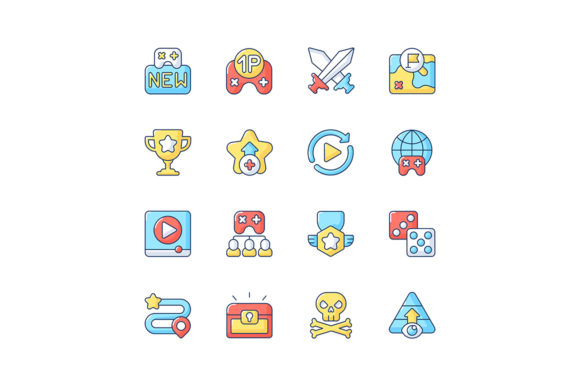
For the serious creator, the difference between a generic clip-art download and a professionally crafted asset pack is the difference between a generic message and a compelling brand story. Our curated collection offers exactly what you need to elevate your projects: 3x Digital Files in total, meticulously prepared to ensure maximum utility.
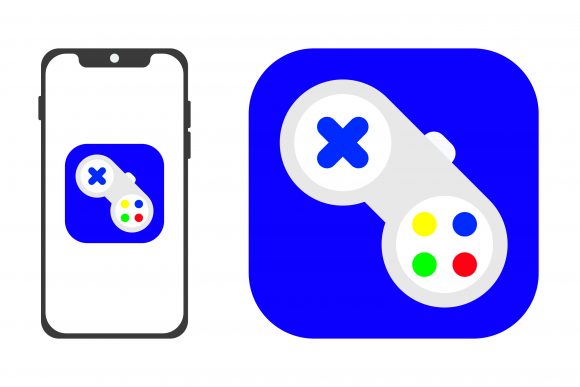
Each design is created on a 1200px X 800px Canvas Size, providing a generous workspace that balances detail with scalability. This dimension is optimized for both print and digital applications, serving as a perfect foundation for logos, icons, and illustrative elements. By receiving this design in the following formats—1 AI File, 1 SVG File, and 1 PNG File—you gain complete ownership of the asset's lifecycle.
This comprehensive approach means you are not just buying an image; you are acquiring a tool. The AI File empowers you to deconstruct the geometry of the controller, perhaps adding your own branding elements or altering the button layout to match a specific product line. The SVG File ensures that when your developer implements the design into a web interface, it renders flawlessly across all devices. Meanwhile, the PNG File provides the immediate gratification of a drop-and-play asset for urgent deadlines.
Practical Applications Across Industries
The versatility of the game-controller extends far beyond video game publishers. Consider the practical examples of how this asset class is being utilized across diverse sectors:
- Tech Startups and SaaS Companies: Many software companies use controller motifs in their "How it Works" sections or feature highlights to imply ease of use and intuitive navigation. The metaphor of "controlling" the software resonates well with enterprise clients seeking powerful yet manageable solutions.
- Event Marketing and Esports: Organizers of tournaments, conventions, and tech expos rely heavily on bold, recognizable iconography. A high-fidelity game-controller graphic can serve as the central hub for event branding, appearing on tickets, signage, and merchandise.
- Educational Content Creators: Educators focusing on STEM, coding, or digital literacy often use gaming metaphors to engage students. Incorporating a controller icon into course materials or promotional videos signals that learning will be interactive and engaging.
- Retail and Merchandise: Entrepreneurs selling apparel, accessories, or collectibles use these designs to tap into the massive gamer demographic. The ability to easily edit the file allows for custom colorways that match seasonal collections or limited-edition drops.
Future-Proofing Your Creative Assets
As we look toward the future of digital design, the demand for adaptable, high-quality vector assets will only increase. The pace of technological change requires that our tools evolve alongside it. Static images become obsolete quickly, but editable vector files remain relevant as long as the underlying concept holds value.
The game-controller is more than just a representation of a peripheral device; it is a symbol of the interactive age. By equipping yourself with the right resources—specifically, a set of easy-to-edit, multi-format files—you position yourself to respond swiftly to market opportunities. Whether you are refining a logo for a new app or creating a campaign for a global gaming event, the ability to manipulate the core geometry of your design gives you a competitive edge.
In conclusion, the intersection of gaming culture and professional design offers a fertile ground for creativity. By understanding the symbolic weight of the game-controller and utilizing professional-grade assets that prioritize flexibility and quality, creators can produce work that is not only visually striking but also strategically sound. Embrace the tools that allow you to edit, scale, and innovate, ensuring your designs remain vibrant and effective in an ever-changing digital ecosystem.