Game Book Puzzle V1: A Creative Toolkit for Playful Minds
Game Book Puzzle V1 isn't just another collection of puzzles—it's a flexible framework for creativity, learning, and engagement. Designed with versatility in mind, this resource blends familiar gameplay mechanics with open-ended adaptability, making it ideal for educators, content creators, and hobbyists alike. Whether you're designing a printable activity book, crafting a branded marketing campaign, or building an interactive classroom tool, Game Book Puzzle V1 offers a foundation you can build upon.
What Makes Game Book Puzzle V1 Stand Out
At its core, Game Book Puzzle V1 combines structured gameplay with customizable layouts. Unlike static puzzle books that offer fixed challenges, this version invites users to remix, reinterpret, and repurpose its components. It includes a variety of classic game formats—like Connect Four, Dots and Boxes, Hangman, and Tic-Tac-Toe—each presented in a way that encourages creative expansion.
What makes it particularly valuable is its balance between simplicity and flexibility. Each game layout is clean, easy to understand, and ready to use, but also open to customization. You can modify rules, themes, visuals, and even combine multiple game types into a single interactive experience.
Connect Four: Beyond the Grid
Connect Four is often seen as a straightforward strategy game, but within Game Book Puzzle V1, it becomes a canvas for innovation. Consider adapting it for educational use by replacing colored discs with vocabulary words, historical events, or scientific terms. Players must match or explain the concept before placing their token, turning a simple game into a dynamic learning tool.
For marketers or brand creators, the grid layout can be repurposed into a promotional game where players collect branded icons or solve product-related clues to win. This approach turns gameplay into engagement, making your brand part of the experience rather than just the backdrop.
Dots and Boxes: Strategy Meets Storytelling
Dots and Boxes is a minimalist game with surprising depth. Within Game Book Puzzle V1, it's not just about claiming squares—it's about how you use them. One creative direction is to assign each box a story element, question, or challenge. As players claim boxes, they unlock parts of a narrative, trivia, or collaborative tasks.
This makes it ideal for escape rooms, classroom activities, or even interactive storytelling books. The key is to layer meaning onto the grid without complicating the core gameplay. Keep the rules simple but the content rich, so players stay engaged and curious.
Hangman: From Vocabulary Builder to Brand Game
Hangman is a classic word game that thrives on simplicity. In Game Book Puzzle V1, it's not just about guessing letters—it's about choosing the right words. Educators can use it to reinforce spelling or subject-specific terminology. Writers might use it as a brainstorming tool, where each guessed letter contributes to a generated phrase or story prompt.
For businesses, Hangman can be transformed into a brand-awareness game. Use product names, slogans, or industry-specific jargon as the hidden words. This subtle form of engagement reinforces brand familiarity without feeling forced or overly promotional.
Tic-Tac-Toe: A Platform for Layered Play
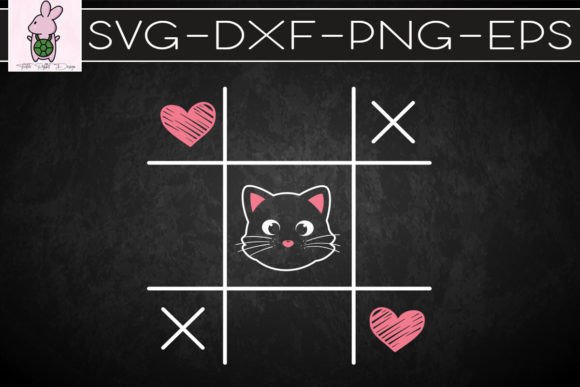
Tic-Tac-Toe may seem basic, but its 3x3 grid is surprisingly adaptable. In Game Book Puzzle V1, it becomes a modular space for layered gameplay. Each square can contain a mini-puzzle, a trivia question, or a themed challenge. Win a square by solving its content, then aim for three in a row.
This format works well in educational settings, team-building exercises, or even digital applications where each square could link to a different interactive element. The key is to maintain the recognizable structure while enhancing the depth of each individual space.
Creative Applications Across Industries
- Education: Turn puzzles into lesson reinforcements. Use Tic-Tac-Toe to review math problems, Dots and Boxes to map out historical timelines, and Hangman to practice vocabulary.
- Marketing: Create branded puzzle experiences that customers can play online or in print. Use game mechanics to subtly introduce product features or company values.
- Content Creation: Design printable activity books for niche audiences. Combine multiple game types into themed collections—like a travel-themed puzzle book or a productivity-themed challenge pack.
- Entrepreneurship: Use Game Book Puzzle V1 as a starting point for your own digital or physical product line. Customize and resell versions tailored to specific audiences or industries.
Designing for Clarity and Consistency
When adapting Game Book Puzzle V1 for your own use, clarity is key. Whether you're designing for kids, professionals, or a mixed audience, ensure the rules are easy to grasp and the visual layout is intuitive. Use consistent fonts, spacing, and icons to maintain readability across different puzzle types.
If you're combining multiple games into a single resource, consider how they flow together. Group similar formats, use visual cues to differentiate sections, and provide brief instructions for each game variant. This helps users navigate the content without confusion.
Staying Original While Using Templates
One of the biggest challenges when working with structured formats like Game Book Puzzle V1 is avoiding repetition. To stay original, focus on the content rather than the structure. Change the theme, integrate storytelling, or layer in educational elements to create something that feels fresh and unique.
For example, instead of a standard Tic-Tac-Toe game, create a "space conquest" version where each square represents a planet and players must answer a space-related question to claim it. The structure remains familiar, but the context transforms the experience.
Adapting for Different Formats and Platforms
Game Book Puzzle V1 works well in both print and digital environments. For print, focus on clean layouts, legible fonts, and ample space for writing or drawing. If you're publishing a physical activity book or classroom resource, consider using themed illustrations or color-coded sections to enhance the visual appeal.
In digital formats, you can expand functionality. Use clickable grids for Tic-Tac-Toe, animated feedback for Hangman, or progress tracking in Dots and Boxes. Interactive PDFs, mobile apps, and web-based games are all viable platforms for bringing Game Book Puzzle V1 to life in new ways.
Final Thoughts: Game Book Puzzle V1 as a Creative Starting Point
Game Book Puzzle V1 isn't a finished product—it's a starting point. Its real value lies in how you adapt and expand it. Whether you're creating educational materials, branded content, or personal projects, this toolkit gives you a foundation to build from.
Use it as inspiration to think beyond the page. Combine, remix, and reimagine its components to suit your audience, goals, and style. The best creative projects don't just follow templates—they transform them.