Game Love: Strategic Design for Modern Digital Storytelling
In today's fast-paced digital landscape, visual storytelling plays a critical role in how brands communicate value, build trust, and engage audiences. Game Love emerges as a powerful design resource, offering a clean, flexible, and visually appealing toolkit for creators and professionals across industries. Whether you're developing a mobile app, launching a web platform, or crafting marketing materials, Game Love provides a foundation for delivering your message with clarity and impact.
What Is Game Love and Why Does It Matter?
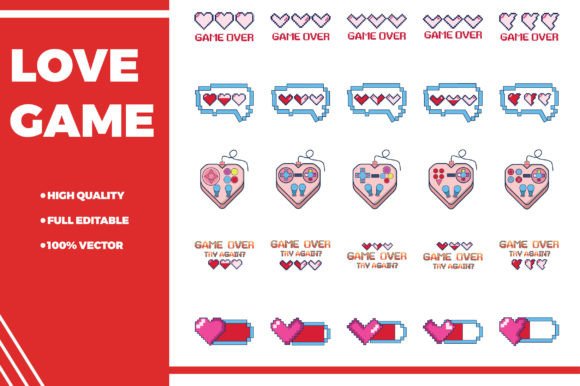
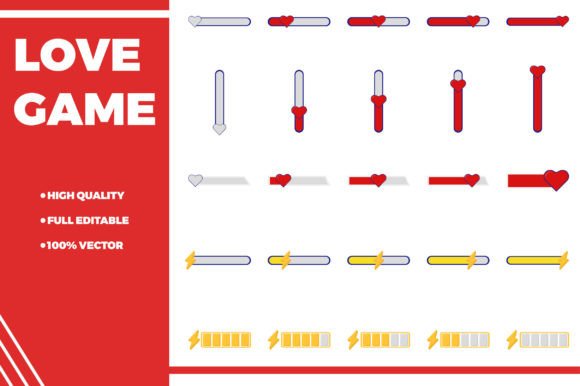
At its core, Game Love is a curated library of flat design illustrations and vector icons that support modern digital communication. It includes 100 vector icons, available in multiple formats—AI, EPS, SVG, and JPG—making it adaptable for a wide range of applications. Its minimal aesthetic aligns with current design trends while maintaining flexibility for customization. This adaptability is key for professionals who need to maintain visual consistency across platforms without sacrificing originality.
What sets Game Love apart is its strategic usability. It's not just about looking good—it's about enabling better communication, faster prototyping, and more effective storytelling. Whether you're a startup founder building a pitch deck or a marketer designing a landing page, this resource helps you convey complex ideas in a visually digestible format.
How Game Love Supports Strategic Goals
Visual clarity is a strategic asset. When used thoughtfully, the Game Love illustration set can help you:
- Clarify complex ideas through intuitive iconography and visual metaphors
- Enhance brand storytelling with consistent, high-quality imagery
- Accelerate design workflows by reducing the need for custom illustration from scratch
- Improve user experience with familiar, clean visuals that guide attention and reduce cognitive load
For entrepreneurs and product teams, these benefits translate into faster iterations, better stakeholder alignment, and more compelling user interfaces. When every pixel matters, having a reliable visual toolkit like Game Love ensures you're not starting from zero every time you need to communicate an idea.
When and How to Use Game Love Effectively
The best time to incorporate Game Love into your workflow is during the early stages of concept development or when refining your visual identity. It works especially well for:
- Mobile and web product design – Use icons and illustrations to guide user behavior and reinforce interface actions
- Marketing and presentation materials – Create visually engaging slides, social media assets, and campaign visuals
- Educational and instructional content – Simplify complex processes or concepts through visual storytelling
To get the most out of Game Love, consider the following:
- Align with brand tone – Ensure the minimal aesthetic fits your brand’s visual language and messaging style
- Customize intentionally – Don’t just use the icons as-is; adjust colors, scale, and layout to match your project’s needs
- Test for clarity – Run usability tests or gather feedback to ensure your visuals are communicating the intended message
Planning and Positioning for Long-Term Value
While Game Love offers immediate design benefits, its long-term value depends on how strategically it's integrated into your workflow. Consider these planning tips:
- Create a visual system – Use the icons and illustrations as part of a broader design system that includes typography, color palettes, and layout principles
- Build a reusable asset library – Organize and categorize icons for easy access across teams and projects
- Document usage guidelines – Establish rules for when and how to use specific visuals to maintain consistency over time
These steps help ensure that your use of Game Love contributes to a cohesive brand identity and scalable design process rather than just being a one-off visual enhancement.
Understanding the Risks of Random Use
Like any design resource, Game Love can become less effective—or even counterproductive—if used without clear intent. Common pitfalls include:
- Overuse or repetition – Using the same icons repeatedly can dilute their impact and lead to visual fatigue
- Mismatched context – Choosing visuals that don’t align with the message or audience expectations can confuse users
- Lack of customization – Relying solely on default styles may result in generic-looking outputs that fail to stand out
To avoid these issues, always ask: Does this visual enhance clarity or distract? Does it support the message or just fill space? Purposeful use ensures that your visuals serve a strategic function rather than just being decorative.
Using Game Love Intentionally for Better Outcomes
The most successful professionals don’t just use tools—they use them with intention. To make the most of Game Love, consider these strategic observations:
- Match visuals to user goals – Choose icons and illustrations that reflect the actions or emotions you want users to experience
- Support content hierarchy – Use size, color, and placement to guide attention and reinforce key messages
- Iterate and refine – Treat your visuals as part of a continuous improvement process, not static elements
By aligning your use of Game Love with your broader communication and business goals, you transform it from a design asset into a strategic tool that supports growth, engagement, and clarity.
Conclusion: A Fresh, Flexible Design Resource for Real-World Use
In an environment where visual communication is increasingly central to success, Game Love offers a clean, adaptable solution for professionals who need to tell compelling stories across digital platforms. Its strength lies not just in its aesthetics but in its ability to support practical outcomes—from faster design cycles to clearer messaging and stronger brand alignment.
Whether you're building a product, launching a campaign, or educating an audience, integrating Game Love into your workflow with intention can make a meaningful difference. It's not just about looking polished—it's about communicating with purpose, clarity, and strategic impact.