Easter Game Memory Test: 20 Tokens & PDF
The intersection of seasonal celebration and cognitive engagement offers a unique opportunity for creators, educators, and event planners. The Easter Game Memory Test is more than a simple pastime; it is a structured activity designed to challenge recall while immersing participants in the thematic elements of spring and renewal. By combining the classic mechanics of a memo game with specific Easter iconography, this format creates an accessible yet stimulating experience suitable for diverse groups. Whether you are organizing a community workshop, designing a classroom activity, or creating content for a digital platform, understanding the mechanics and potential of this game provides a solid foundation for your project.
Defining the Core Mechanics
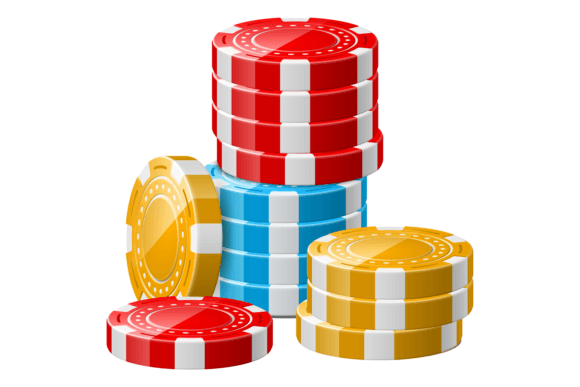
At its heart, the Easter Game Memory Test operates on the principles of concentration and pattern recognition. Participants must match pairs of cards that feature identical images related to the holiday. Unlike generic memory games, this version leverages specific visual cues such as bunnies, eggs, baskets, chicks, and spring flowers. The inclusion of 20 tokens adds a layer of strategic depth, transforming the activity from a passive matching exercise into a competitive or collaborative scoring system. These tokens can represent points, collected items, or progress markers, depending on how the facilitator structures the rules.
The utility of this game lies in its flexibility. It serves as a low-cost, high-engagement tool that requires minimal setup but delivers significant interaction value. For adults aged 20 to 50, particularly those in creative fields, the game acts as a mental warm-up or a team-building exercise that breaks the monotony of routine work. The cognitive load required to remember card positions stimulates neural pathways associated with short-term memory and spatial awareness, making it a practical application of gamification in professional and educational settings.
Creative Applications and Variations
One of the most compelling aspects of the Easter Game Memory Test is its adaptability. Creators and designers can reinterpret the standard format to suit specific audiences or objectives. For instance, educators might replace traditional imagery with vocabulary words or historical facts about the season, turning the game into an educational review tool. Marketers could use the cards to showcase product features or brand values, subtly reinforcing messaging while participants play.
- Thematic Storytelling: Design the 20 tokens to represent chapters in a story. As players match cards, they unlock parts of a narrative, blending memory skills with creative writing exercises.
- Corporate Team Building: Use the game to simulate problem-solving scenarios where teams must collaborate to collect tokens, fostering communication and strategy.
- Digital Adaptation: Bloggers and app developers can translate the physical card layout into a mobile interface, adding sound effects and timers to increase difficulty and engagement.
- Artistic Interpretation: Invite artists to create custom card designs, using different styles like watercolor, vector art, or photography to explore visual diversity within the same game structure.
Variations can also extend to the rules themselves. Instead of simply collecting pairs, players might need to arrange matched cards in a specific order to earn bonus tokens. This approach shifts the focus from pure memory to logical sequencing, appealing to analytical minds. For small business owners hosting events, these rule modifications can keep the gameplay fresh and encourage repeat participation.
Strategic Use of the 20 Tokens
The inclusion of 20 tokens is not arbitrary; it provides a tangible metric for success and progression. In a standard game, tokens might be awarded for each correct match, with the player holding the most tokens at the end declared the winner. However, the true power of this element lies in its symbolic representation. Tokens can act as currency in a larger economic simulation, where players trade them for prizes or privileges within the context of the event.
For entrepreneurs looking to test market concepts, the tokens can represent consumer choices. Observing which cards players prioritize to secure tokens can offer insights into preference patterns. This data-driven approach turns a recreational activity into a research tool. Furthermore, the physical nature of the tokens encourages tactile interaction, which is often missing in digital experiences. Handling the pieces reinforces memory retention through kinesthetic learning, a principle well-documented in educational psychology.
Implementation Guide: From Concept to Print
Executing an effective Easter Game Memory Test requires careful planning and organization. The process begins with defining the scope and audience. Are you targeting children, adults, or a mixed group? This decision influences the complexity of the imagery and the difficulty of the matching task. Once the audience is identified, select the visual assets that will populate the cards. Consistency in style is crucial; mixing photorealistic images with cartoon illustrations can disrupt the visual flow and confuse players.
Organization is key to maintaining clarity during gameplay. Ensure that the cards are durable and easy to handle. If printing at home, consider using cardstock or laminating the sheets to withstand repeated shuffling. For professional presentations, high-quality printing services can provide a polished look that enhances the perceived value of the activity. The layout should be intuitive, with clear boundaries between card spaces to prevent accidental reveals.
The Container Box PDF Solution
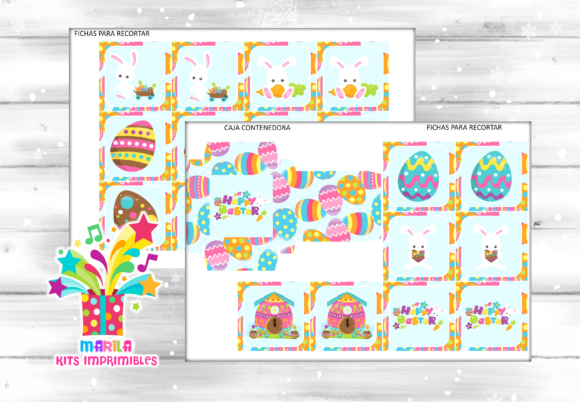
A critical component of a seamless experience is the storage and transport of the game materials. A dedicated container box ensures that all components remain organized and protected. We have developed a container box pdf file ready to print that serves as a comprehensive template for housing the game. This resource includes fold lines, cut marks, and assembly instructions, allowing users to construct a sturdy box from standard paper or cardboard.
This printable solution addresses several logistical challenges. First, it eliminates the need for purchasing external storage containers, reducing costs and environmental impact. Second, the box itself can be customized with branding or decorative elements, extending the thematic immersion of the game. For publishers and freelancers offering this game as part of a larger package, the included PDF adds tangible value to the deliverable. It demonstrates attention to detail and provides a complete, turnkey solution for the end user.
To utilize the container box effectively, follow these steps:
- Download the PDF file and verify compatibility with your printer settings.
- Select a material weight appropriate for the intended use, such as heavy cardstock for frequent handling.
- Print the template, ensuring alignment and color accuracy.
- Cut along the marked lines and score the fold lines for clean bends.
- Assemble the box using adhesive, securing the tabs firmly.
- Place the 20 tokens and game cards inside, arranging them neatly for immediate access.
Optimizing for Different Platforms
The versatility of the Easter Game Memory Test allows it to thrive across various platforms. In a physical setting, such as a classroom or office breakroom, the tactile nature of the cards and tokens fosters social interaction. Facilitators can observe body language and engagement levels, adjusting the pace or rules in real-time. This face-to-face dynamic is invaluable for building rapport and encouraging collaboration among participants.
Conversely, digital adaptations open up new possibilities for remote engagement. Virtual events and online workshops can incorporate a digitized version of the game, using screen-sharing tools to display the cards. While the physical tokens cannot be replicated exactly, digital equivalents like avatars or icons can serve the same function. This approach ensures inclusivity for distributed teams or global audiences who cannot meet in person. Bloggers and content creators can also embed interactive versions of the game on their websites, driving traffic and increasing time-on-page metrics.
Regardless of the platform, the goal remains consistent: to create an engaging, memorable experience that aligns with the broader objectives of the event or campaign. By focusing on clear instructions, intuitive design, and meaningful interaction, the Easter Game Memory Test becomes more than just a game. It transforms into a versatile tool for connection, learning, and creativity.
Ensuring Clarity and Effectiveness
Maintaining the integrity of the game requires a commitment to clarity and consistency. Ambiguous rules or confusing visuals can detract from the experience, leading to frustration rather than enjoyment. To avoid this, conduct a pilot test before launching the full activity. Gather a small group of beta testers to identify potential issues with card visibility, token distribution, or assembly instructions. Their feedback will provide valuable insights for refinement.
Documentation plays a vital role in ensuring effectiveness. Provide a concise rule sheet that outlines the objective, scoring system, and winning conditions. Use simple language and bullet points to enhance readability. For the container box PDF, include step-by-step diagrams to guide the assembly process. Clear documentation reduces the cognitive load on facilitators, allowing them to focus on managing the group and facilitating interaction.
Finally, consider the accessibility of the game. Ensure that the colors used on the cards have sufficient contrast for individuals with visual impairments. Offer alternative formats, such as larger text or audio descriptions, if necessary. By prioritizing inclusivity, you expand the reach of your project and demonstrate a commitment to serving a diverse audience. The Easter Game Memory Test, when executed with care and precision, stands as a testament to the power of thoughtful design and creative application.