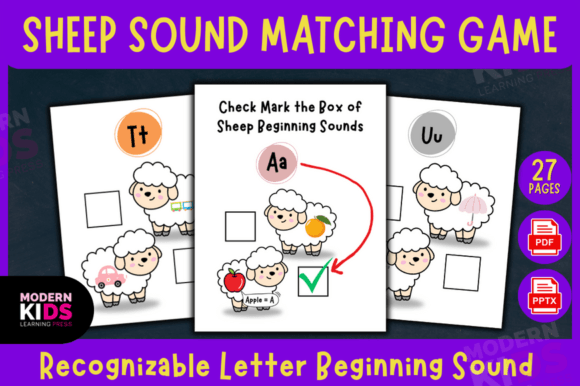
Sheep Sound Matching Game: Learn Letter Sounds with Fun
Turning Learning into Play with Adorable Sheep
Learning the alphabet doesn't have to be boring. The Sheep Sound Matching Game introduces a fresh, engaging way for children to practice identifying beginning letter sounds. With charming sheep characters and colorful pastures, this interactive game transforms phonics practice into a playful experience. Kids are naturally drawn to animals, and by combining that curiosity with foundational literacy skills, the game helps them connect sounds to letters in a meaningful way.
Each sheep features a picture representing a specific beginning sound. Children say the name of the image aloud, identify the first sound, and match the sheep to the corresponding pasture labeled with the correct letter. This hands-on approach encourages active participation, reinforcing learning through both auditory and visual engagement.
Why the Sheep Sound Matching Game Works
Unlike traditional flashcards or worksheets, the Sheep Sound Matching Game encourages interaction and movement. It's designed to be tactile, which is especially beneficial for young learners who thrive on physical engagement. The use of animals and a farm theme adds a layer of imaginative play, making the learning process feel less like a task and more like a game.
- Engaging visuals: Each image is carefully selected to be both relevant and recognizable, ensuring clarity for early learners.
- Simple setup: Print the pieces on cardstock or laminate them for durability, and you're ready to play.
- Flexible use: Perfect for home learning, preschool classrooms, or homeschool co-ops.
Creative Ways to Use the Sheep Sound Matching Game
While the game is designed with beginning letter sounds in mind, it can be adapted in several creative ways to suit different learners and educational goals. Here are a few ideas to expand its use:
- Phonics Extensions: Add more complex phonetic elements by including blends, digraphs, or vowel sounds as children progress.
- Storytelling Prompts: Use the sheep and pastures as characters and settings in a storytelling activity. Ask kids to create a short story about how each sheep found its pasture.
- Language Development: Encourage bilingual learners to name the images in multiple languages, reinforcing vocabulary across cultures.
- Motor Skills Practice: Attach Velcro to the pieces and mount them on a felt board to help children develop fine motor control.
Adapting for Different Ages and Learning Styles
Young learners come with a variety of needs and preferences. The Sheep Sound Matching Game is versatile enough to be used in multiple settings and tailored to individual learning styles:
- Visual learners: Benefit from the clear, colorful images and visual matching process.
- Auditory learners: Can repeat the words aloud, reinforcing sound-letter connections through verbal repetition.
- Kinesthetic learners: Enjoy the physical act of picking up and placing the sheep, making learning more memorable.
For older preschoolers or kindergarteners, you can introduce letter writing by having them trace or write the corresponding letter after making each match.
Bringing the Game into Different Learning Environments
Whether you're a parent, teacher, or homeschooler, the Sheep Sound Matching Game can be integrated into various learning environments. Here’s how different users can apply it effectively:
- Classroom Teachers: Use the game during literacy centers or small group instruction to reinforce phonics lessons in a playful way.
- Homeschool Families: Incorporate the game into daily phonics practice or as part of a themed unit on farms or animals.
- Educational Bloggers: Feature the game as a printable resource in a post about hands-on learning or early literacy activities.
- Therapists and Tutors: Utilize the game to support speech therapy or early intervention programs focused on language development.
Design and Presentation Tips for Maximum Engagement
When preparing the Sheep Sound Matching Game, presentation matters. Here are some practical tips to keep the game visually appealing and easy to use:
- Use high-quality images: Ensure the pictures are clear, simple, and directly related to the letter sound they represent.
- Color code for clarity: Assign each letter a distinct color to help visual learners make faster connections.
- Add labels and instructions: Include a small instruction card or visual guide to help children or new users understand how to play.
- Create themed variations: Develop seasonal or holiday-themed versions of the game to keep the activity fresh and exciting.
Why This Game Stands Out Among Early Literacy Tools
In a world full of digital learning tools, the Sheep Sound Matching Game offers a refreshing return to tactile, screen-free learning. It provides a balance between structure and creativity, making it ideal for educators and parents who want to foster foundational literacy without overstimulation.
What sets it apart is the combination of simplicity and effectiveness. It doesn’t rely on flashy animations or distracting elements. Instead, it focuses on what works: clear visuals, engaging themes, and interactive play. This makes it especially valuable for children who may be easily overwhelmed by too much sensory input.
How to Get Started with the Game
Getting started is easy. Simply print the sheep and pastures, cut them out, and begin playing. For added durability, print on cardstock or laminate the pieces so they can be reused again and again. You can also store them in labeled pouches or folders for easy organization.
If you're a content creator or educator looking to share this activity with others, consider offering a downloadable version of the game on your blog or website. It makes a great freebie for email subscribers or a premium printable for sale in your shop.
Final Thoughts: More Than Just a Game
The Sheep Sound Matching Game is more than a tool for learning letter sounds—it's a way to spark joy in the learning process. By combining play with education, it supports early literacy development in a way that feels natural and fun for young children.
Whether you're a teacher looking for engaging classroom activities, a parent wanting to support your child's learning at home, or a creator developing educational resources, this game offers flexibility, charm, and real learning value. It’s a reminder that the best learning often happens when children don’t even realize they’re being taught.