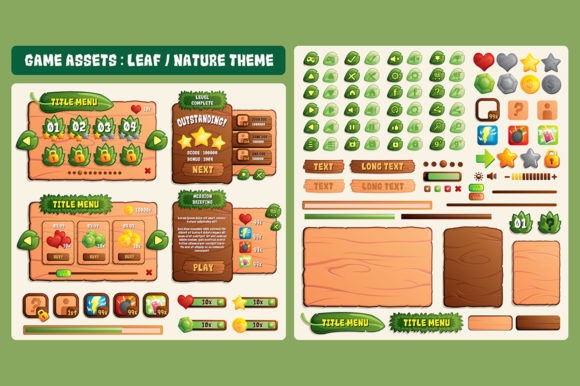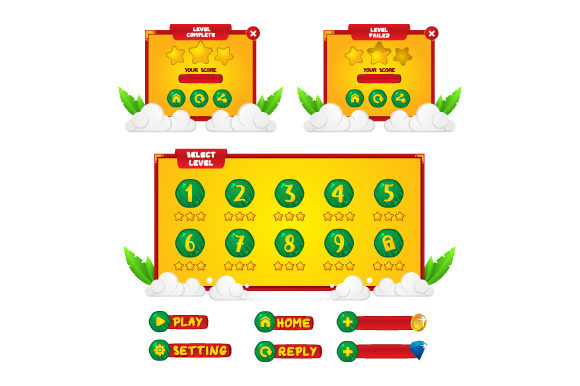
Game Interface Asset Design Vector: Practical Integration in Creative Workflows
Game Interface Asset Design Vector plays a critical role in the development and execution of digital experiences. Whether designing for mobile, PC, or console platforms, these assets form the backbone of user interaction. Unlike static images, vector-based designs offer scalability, adaptability, and precision—qualities that are essential in modern game development and UI/UX design workflows.
At its core, a Game Interface Asset Design Vector provides a structured way to build and maintain graphical elements that respond well to different screen sizes and resolutions. These files are often delivered in multiple formats—AI, EPS, JPG, and PNG—allowing developers and designers to integrate them seamlessly into various stages of a project. Understanding how and when to use these assets can significantly impact the efficiency and quality of a creative or development process.
Understanding the Role of Game Interface Asset Design Vector
Vector graphics differ from raster images in that they are composed of mathematical paths rather than pixels. This means they can scale infinitely without losing clarity. In the context of game interface design, this scalability is crucial. Buttons, icons, health bars, and other UI components must remain sharp and functional across devices, from smartphones to large-screen televisions.
A Game Interface Asset Design Vector is typically used by UI/UX designers during the prototyping and implementation phases. It allows for quick iteration and adjustments without the need to recreate assets from scratch. These vectors are also compatible with design tools like Adobe Illustrator, Figma, and Sketch, making them versatile across different team setups and workflows.
Integration Before, During, and After Development
The utility of Game Interface Asset Design Vector extends beyond a single stage of the development cycle. Before development begins, these assets can be used in wireframing and mockup creation to visualize the user experience. During development, they provide a clean, scalable foundation for building interactive UI elements. After launch, they support updates and localization efforts by allowing designers to modify and repurpose components without starting from scratch.
For example, a game studio preparing for a major UI overhaul can use pre-designed vector assets to maintain visual consistency across new and existing screens. This reduces design time and ensures that the interface aligns with brand guidelines and user expectations.
Compatibility and Workflow Synergy
One of the strengths of Game Interface Asset Design Vector is its compatibility with a wide range of tools and platforms. AI and EPS files can be edited in vector design software, while JPG and PNG versions are ready for immediate use in game engines like Unity or Unreal Engine. This flexibility allows teams to work concurrently—designers can refine visuals while developers integrate assets into the build.
Additionally, these assets integrate well with version control systems and asset management platforms. Teams using tools like Perforce, Git LFS, or cloud-based collaboration platforms can store and share vector files efficiently, ensuring that everyone works with the most up-to-date versions. This minimizes conflicts and streamlines the handoff between design and development.
Practical Implementation Tips
- Start with a UI Kit: Use a comprehensive Game Interface Asset Design Vector pack to establish a consistent look and feel early in the project. This saves time and reduces the need for custom asset creation.
- Optimize for Performance: While vectors are scalable, exported PNGs should be optimized for file size to avoid performance issues, especially on mobile devices.
- Use Layers and Naming Conventions: When working with AI or EPS files, organize layers and use clear naming conventions to make editing easier for other team members.
- Test Across Devices: Always preview UI elements on different screen sizes and resolutions to ensure clarity and usability remain intact.
For teams working in agile environments, integrating Game Interface Asset Design Vector into sprint planning can help maintain design momentum. Designers can create or adapt assets in parallel with development tasks, allowing for faster iteration and more responsive adjustments based on playtesting feedback.
Ensuring Consistency and Quality
Maintaining visual consistency is a challenge in any UI design project, especially when multiple contributors are involved. Using a standardized set of Game Interface Asset Design Vector files ensures that buttons, icons, and layout structures follow a unified style guide. This consistency not only improves aesthetics but also enhances user familiarity and navigation efficiency.
To support long-term usability, it’s important to implement a versioning system for these assets. Labeling updates clearly and maintaining a history of changes helps prevent confusion and ensures that past projects can be revisited without losing design integrity. Regular audits of asset libraries can also help teams identify outdated or underused components that may be candidates for retirement or revision.
Scaling for Larger Projects and Teams
In larger studios or multi-platform releases, Game Interface Asset Design Vector becomes even more valuable. The ability to reuse and adapt vector-based assets across different versions of a game—such as mobile, PC, and VR—reduces redundant work and maintains a cohesive brand identity. Design systems built around these assets can also be shared across projects, creating a reusable resource that accelerates future development cycles.
For remote teams, having a centralized repository of these assets ensures that all members—whether in-house or freelance—have access to the same design language. This fosters collaboration and minimizes misalignment in visual presentation, especially when working across different time zones or departments.
Conclusion
Game Interface Asset Design Vector is more than a design tool—it's a strategic component of efficient and scalable UI development. Whether used for prototyping, implementation, or post-launch updates, these assets contribute to smoother workflows, better collaboration, and higher-quality user experiences. By integrating them thoughtfully into your creative and development processes, you can streamline design tasks, reduce overhead, and ensure consistency across your digital products.